
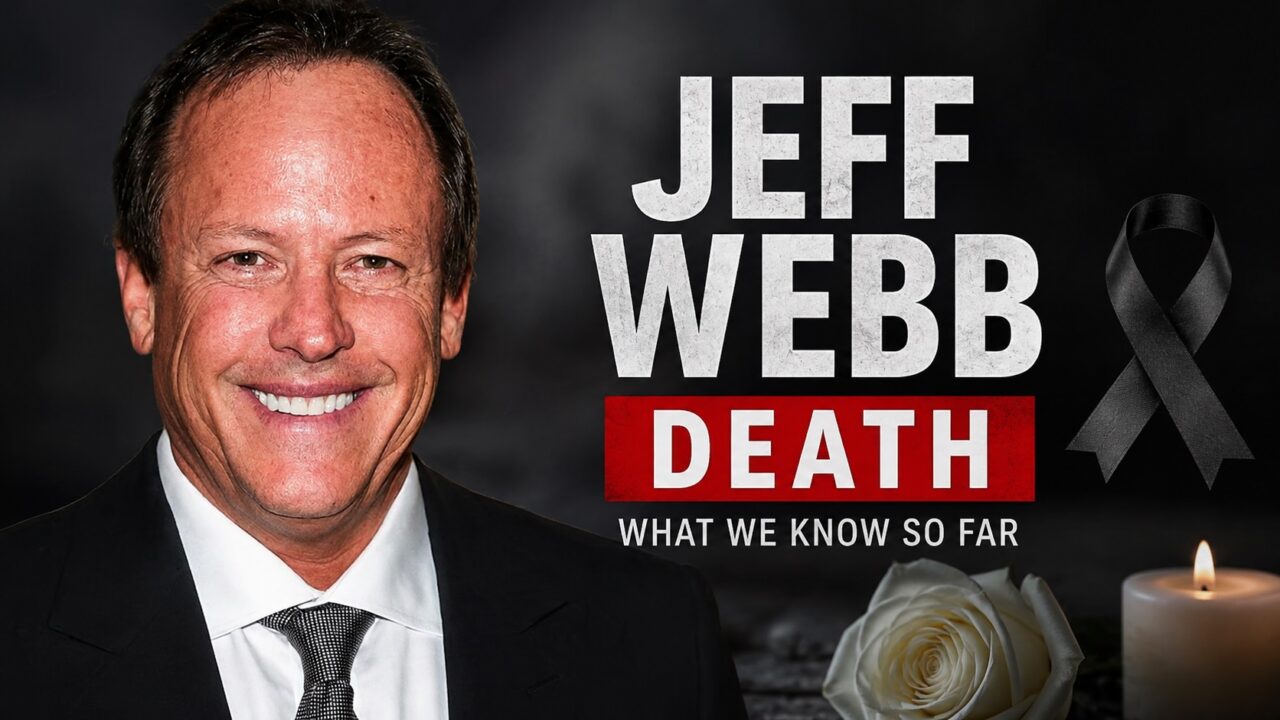

Searches for Jeff Webb death have generated curiosity and confusion, largely because several people share the name Jeff Webb and online discussions do not always provide enough context to identify the person being discussed. A simple search can quickly lead to conflicting claims, old reports, social media posts, and pages that repeat information without clearly explaining its origin.
That makes context especially important. Before accepting any claim connected to the phrase Jeff Webb death, readers need to identify which Jeff Webb is involved and whether the information comes from a credible and verifiable source.
This article examines why the topic attracts attention, the challenges of identifying the correct individual, and the importance of separating confirmed information from rumor. It also explains how readers can approach death-related searches responsibly when names are shared by multiple public and private individuals.
Understanding the Search for Jeff Webb Death
The keyword Jeff Webb death may appear straightforward, but it can refer to more than one person. Jeff Webb is not a unique name, and people with the same name may have connections to sports, entertainment, business, education, local communities, or other fields.
When a name is shared by multiple individuals, search results can easily become mixed together. An obituary for one person may be mistakenly associated with another, while a social media post can spread without providing details such as age, profession, location, or family connections.
This is one reason death-related searches require more care than ordinary biographical searches. Incorrect identification can lead to false reports and unnecessary concern among friends, family members, fans, or colleagues.
Why Name Confusion Can Create False Death Reports
Online misinformation often begins with incomplete information rather than deliberate deception. Someone may see a headline mentioning a person named Jeff Webb and assume it refers to the best-known individual with that name.
Search engines and social platforms can amplify the confusion when users repeatedly search for the same phrase. As interest grows, websites may create pages targeting the keyword without clearly confirming whether the reported death concerns the correct person.
The result is a cycle in which speculation creates more searches, and more searches encourage additional content. Eventually, the phrase Jeff Webb death can appear widely online even when many pages are discussing different individuals or repeating an unverified claim.
The Importance of Identifying the Correct Jeff Webb
A responsible search should begin by asking a basic question: which Jeff Webb is being discussed?
A person’s profession, location, age, organization, family, or public role can help distinguish one individual from another. Without those details, it is easy to connect an obituary or death announcement to the wrong person.
This problem is particularly common when one person with a shared name has a recognizable public profile. Readers may automatically assume that every search result refers to that individual, even when the original report concerns someone entirely different.
For that reason, the phrase Jeff Webb death should never be interpreted in isolation. Context is necessary before reaching a conclusion.
How Online Rumors About Death Spread
Death rumors can spread rapidly because they trigger strong emotional reactions. People often share unexpected news before checking whether the original report is accurate.
Social media increases this risk because posts can travel far beyond their original audience within a short time. A screenshot, short message, or headline may be reposted repeatedly while important context disappears along the way.
Once a rumor gains attention, search activity can reinforce it. People searching for confirmation may encounter pages discussing the rumor itself, which can make the claim appear more established than it actually is.
This is why repeated online discussion should not automatically be treated as proof. Popularity is not the same as verification.
What Counts as Reliable Confirmation?
Reliable death reporting generally includes clear identifying information and comes from a source with direct knowledge or established journalistic standards. Family announcements, official statements, reputable news organizations, and properly identified obituary notices can provide important confirmation.
A trustworthy report should make it possible to determine exactly who has died. Relevant details may include the person’s full identity, professional background, location, age, or connections to family and community.
Vague statements are far less reliable. A post saying that “Jeff Webb has died” without additional context does not establish which Jeff Webb is being discussed.
Readers searching for Jeff Webb death should therefore look beyond the headline and examine whether the information clearly identifies the individual.
Why Old Information Can Resurface as New News
Another source of confusion is the reappearance of older material. An obituary, archived article, tribute, or memorial post may suddenly circulate again years after it was originally published.
When the original date or context is missing, readers may believe the event has just occurred. Search algorithms can also surface older content when a name becomes popular again.
This can create a misleading impression that there is a new development involving Jeff Webb death, even when the information concerns an unrelated person or an event from the past.
Checking the original context is therefore essential. Readers should pay attention to whether a report describes a recent event, an older announcement, or a memorial reference.
The Difference Between Public Interest and Public Confirmation
A topic can attract enormous public interest without having a confirmed answer. Searches often increase when a person is involved in a major organization, public controversy, career change, legal matter, or viral social media discussion.
People may then search for dramatic phrases, including death-related keywords, simply because they are trying to understand what happened. This search behavior can create misleading trends.
In other words, a high volume of searches for Jeff Webb death does not by itself confirm that a particular person named Jeff Webb has died.
Search trends show curiosity. They do not establish facts.
How Readers Can Avoid Spreading Incorrect Information
The safest approach is to pause before sharing a death-related claim. If the report does not clearly identify the person, the information may be incomplete or incorrectly connected to someone with the same name.
It is also important to distinguish between an original report and websites that merely repeat another claim. Multiple pages using similar language may all trace back to one unverified source.
Readers should be especially cautious with headlines designed to create urgency or shock. Emotional wording can encourage quick sharing while discouraging careful examination of the underlying information.
A more responsible approach protects both readers and the people connected to the individual being discussed.
Why Accurate Reporting Matters in Death-Related Searches
False reports of death can have serious consequences. Family members may receive distressing messages, colleagues may face unnecessary confusion, and the person wrongly identified may have to publicly deny the rumor.
For public figures, false reports can also become part of a larger misinformation cycle. Search results may preserve inaccurate pages long after the original rumor has been corrected.
Accuracy is therefore not simply a technical issue. It is also a matter of respect. Death is deeply personal, and reporting should be handled with care rather than speculation.
When researching Jeff Webb death, the most useful question is not simply whether the phrase appears online. The more important question is whether the information clearly identifies the individual and provides credible confirmation.
The Broader Problem of Shared Names Online
The Jeff Webb search illustrates a broader challenge on the internet. Millions of people share names, and digital information can easily merge separate identities.
Search engines attempt to organize information, but automated systems cannot always understand the full context behind every post, obituary, profile, or article. Human readers still need to evaluate whether the details match the person they are researching.
This is especially important for names connected to public figures. The more recognizable one individual becomes, the greater the possibility that unrelated information about another person with the same name will be incorrectly attached to them.
Careful identification helps prevent that mistake.
What the Jeff Webb Death Search Teaches About Online Information
The interest surrounding Jeff Webb death demonstrates how quickly a simple keyword can become complicated. A search phrase may contain limited information, while the answer depends heavily on identifying the correct person and evaluating the reliability of available reports.
The best approach is to avoid assumptions. A shared name, a viral post, or a frequently repeated phrase does not provide enough evidence on its own.
Readers should focus on identity, context, and confirmation. Those three factors can help separate genuine reporting from mistaken identity, outdated material, and unsupported online rumors.
Conclusion
The search term Jeff Webb death highlights the importance of careful fact-checking when information involves a person with a shared name. Online searches can combine reports about different individuals, revive old material, and amplify unverified claims until they appear more credible than they really are.
Before accepting or sharing any death-related information, readers should identify the specific Jeff Webb involved and look for clear, reliable confirmation. Context matters, especially when inaccurate information can affect real people and their families.
Ultimately, the most responsible way to approach the topic is with caution. A popular search term may reveal public curiosity, but verified facts require much more than repeated online claims.
FAQs
What does the search term Jeff Webb death refer to?
The phrase Jeff Webb death may refer to different individuals because Jeff Webb is a shared name. Readers should identify the specific person involved before connecting any death report or obituary to a particular public figure.
Has a specific Jeff Webb been confirmed dead?
Any claim should be evaluated based on the identity of the individual being discussed and the reliability of the original report. The phrase Jeff Webb death alone does not provide enough information to establish which person is involved.
Why are people searching for Jeff Webb death?
People may search the term because of social media discussions, news reports, public curiosity, name confusion, or attempts to verify a rumor. Search activity itself does not confirm a death.
Could an obituary belong to another person named Jeff Webb?
Yes. Because multiple people can share the same name, an obituary may concern a completely different individual. Matching details such as location, profession, age, and family information can help prevent mistaken identity.
Can social media posts be trusted for death announcements?
Social media posts may sometimes share accurate information, but they should not automatically be treated as confirmation. The original source and identifying details should be examined before accepting or sharing the claim.
Why do false celebrity death rumors spread so quickly?
Death rumors attract attention and emotional reactions, which can encourage people to share information before verifying it. Repeated sharing can make an unsupported claim appear more credible than it actually is.
Can old news cause confusion about Jeff Webb death?
Yes. Older obituaries, memorial posts, and archived reports can resurface online and be mistaken for recent news. Checking the original context is important before drawing conclusions.
How can I verify information related to Jeff Webb death?
Start by identifying exactly which Jeff Webb is being discussed. Then look for clear identifying details and confirmation from reliable sources rather than relying only on repeated posts or search snippets.
Does a trending search mean that a death report is true?
No. A trending search indicates that many people are interested in a topic. It does not prove that the underlying claim is accurate or that the information concerns the person people assume it does.
What is the safest way to discuss Jeff Webb death online?
The safest approach is to avoid making assumptions, identify the correct individual, and share only information that has been clearly confirmed. Careful reporting helps prevent misinformation and unnecessary distress.